
The best AI SEO tool for a small marketing team is the one that connects a buyer’s question to a specific piece of work. Can you see the answer, open the sources it cites, identify an inaccurate or incomplete page, and give someone a clear update to make? That is a more useful buying test than the biggest dashboard or longest list of AI platforms.
Start with one monitoring workflow and an editor who can act on it. Rank Prompt supports prompt-based visibility reporting and follow-up tasks; HubSpot offers a quick brand check; Yext Scout addresses location-level discovery. If the bottleneck is improving an existing blog library, examine MarketMuse or Clearscope. The comparisons below explain where each fits, followed by a 30-day plan you can run without building an enterprise research department.
Decide what you need to measure first
AI SEO is an umbrella term for tools that support visibility in search and AI-generated answers. Answer engine optimization, or AEO, focuses on making useful information discoverable and accurate in those answers. Three different observations matter:
- Brand mention: An answer names your company. That does not necessarily mean it links to your site.
- Page citation: An answer links to a specific URL. A third-party comparison can mention your company while your own blog receives no citation.
- Website visit or lead: Someone reaches your site or becomes an inquiry. A visibility percentage cannot tell you how many leads came from AI.
For a blog update, the exact cited URL is especially useful. Open the page and inspect what it answers better: a cost question, service-area detail, comparison, original example, or explanation of limitations. That gives an editor a concrete assignment.
Which tools fit your team’s next job?
| Tool | Practical starting point | What to check before choosing |
|---|---|---|
| Rank Prompt | Monitor buyer prompts and organize follow-up content or SEO work | Credit consumption for your engines and repeat schedule |
| HubSpot AI Search Grader | Get an initial picture of how AI represents a brand | Whether you need a one-time check or ongoing historical tracking |
| Yext Scout | Compare local visibility across business locations | Location coverage, scanning methodology and execution permissions |
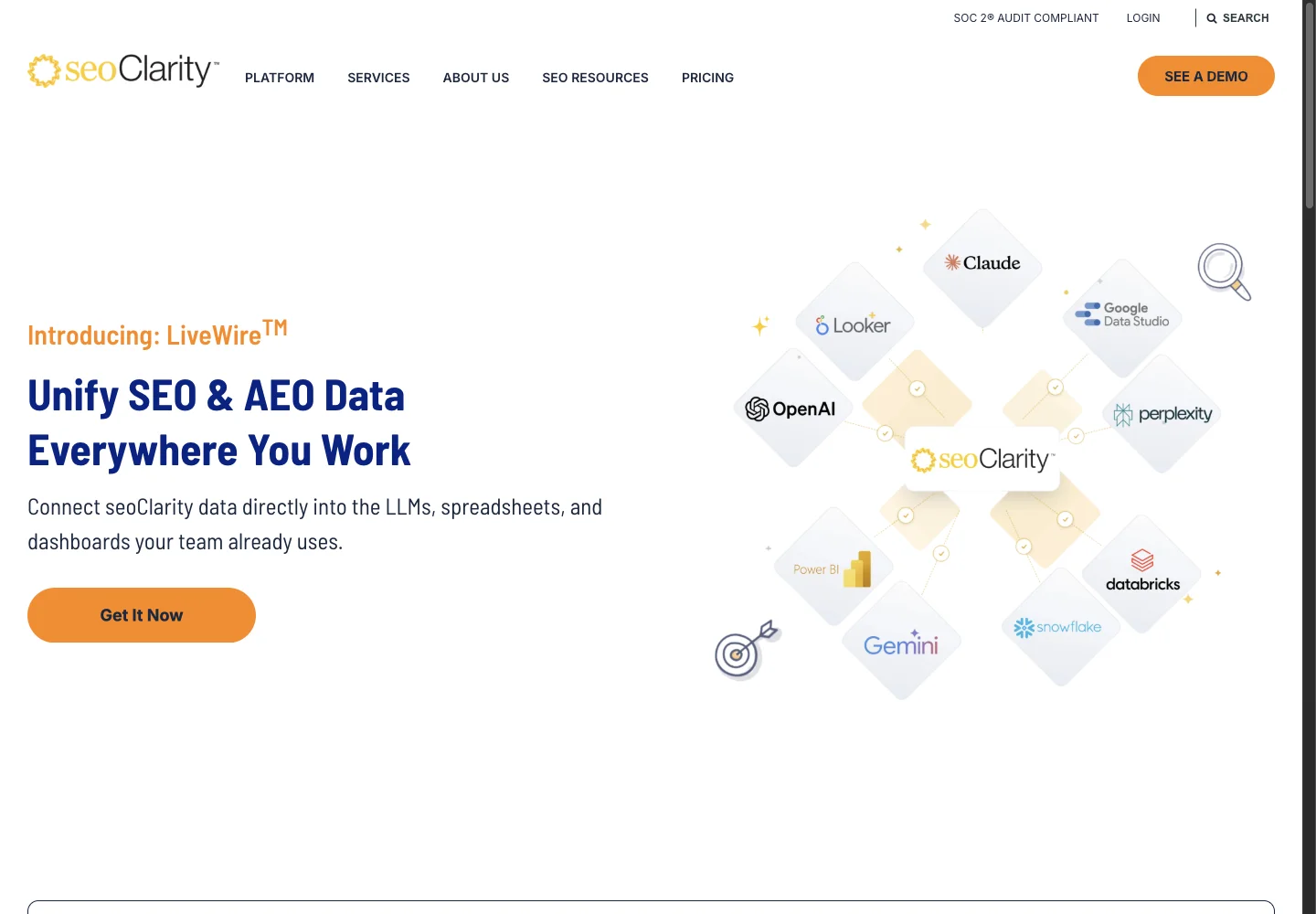
| seoClarity Clarity ArcAI | Connect AI visibility with an established enterprise SEO operation | The implementation work and scope your team will actually use |
| Similarweb AI Search Intelligence | Examine AI mentions, cited sources and competitor referral traffic | Coverage for your category and the distinction between visibility and traffic |
| MarketMuse | Prioritize content gaps across an existing website | Whether content planning is your bottleneck, rather than answer monitoring |
| Voiceflow | Learn from conversations with your own chat or voice agent | Owned-agent analytics serve a different purpose from public AI search tracking |
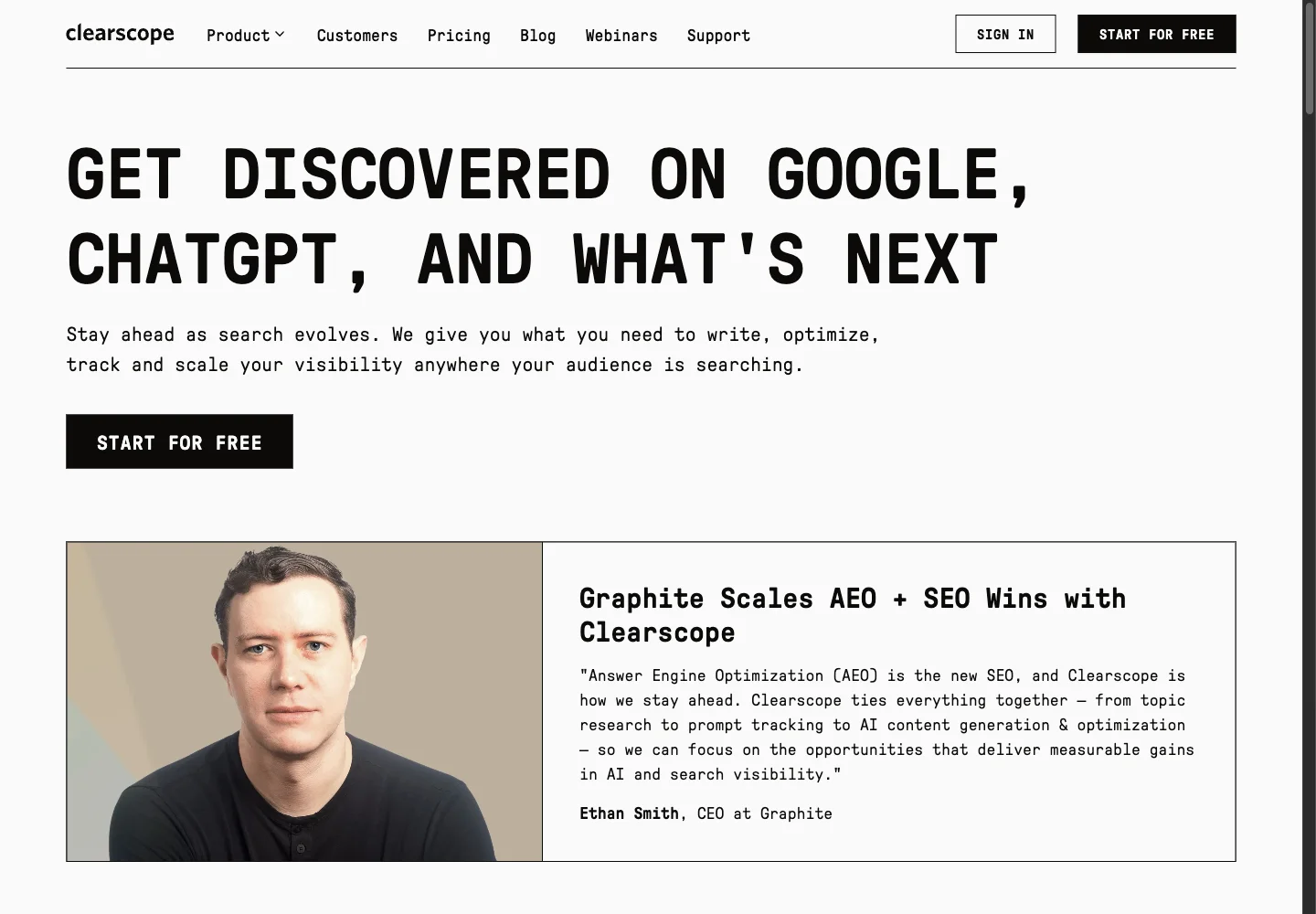
| Clearscope | Connect prompt tracking with editorial optimization | Included tracking allowance and the writer’s day-to-day workflow |
Rank Prompt: a monitoring and action workspace

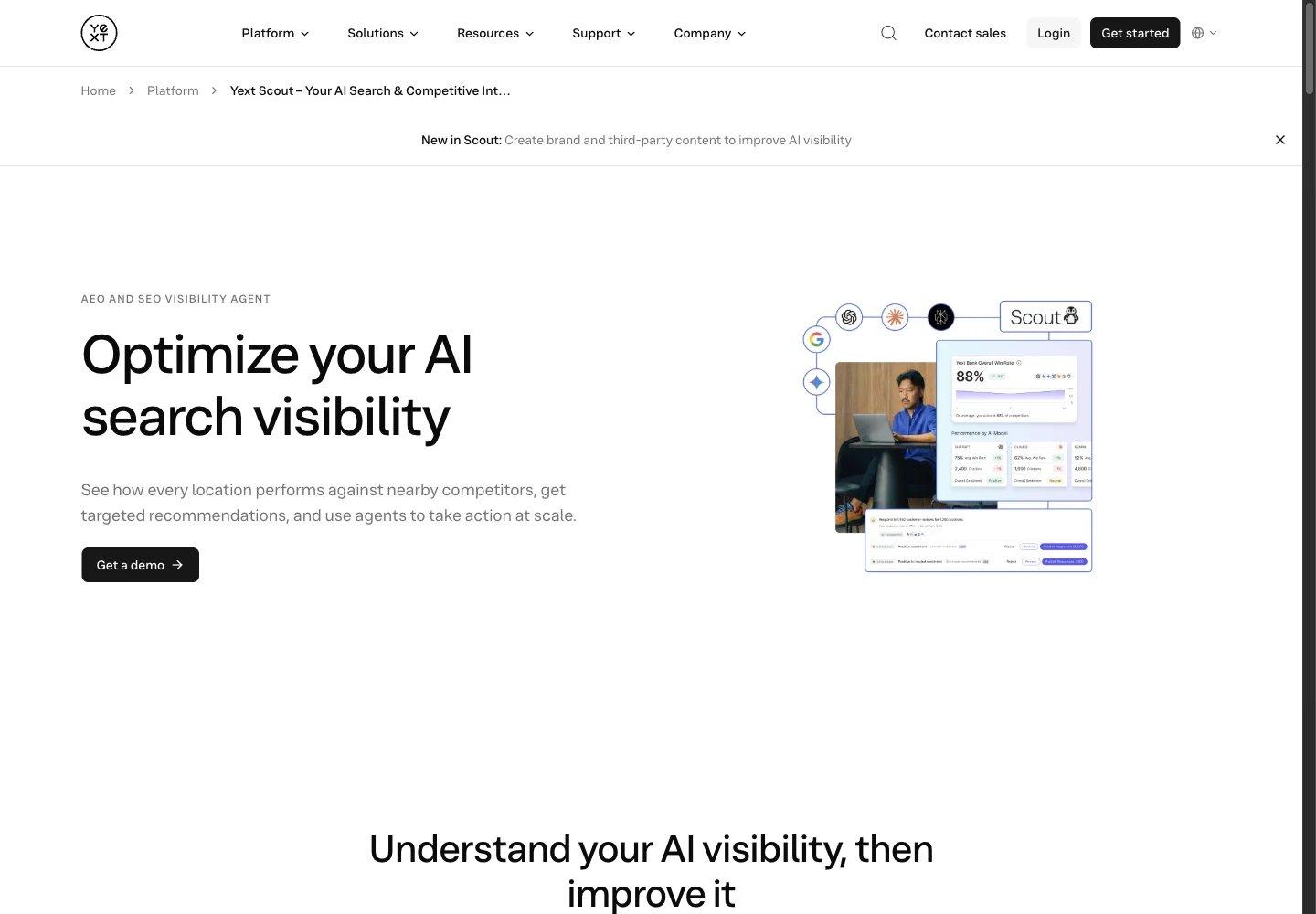
Rank Prompt combines AI visibility monitoring, citation analysis, content tools and SEO tasks. Its site lists ChatGPT, Perplexity, Google AI Mode, Claude, Gemini and Grok. For a small team, the useful sequence is to review a buyer prompt, inspect the answer and cited sources, then turn a real content gap into an assigned update.
The buying detail to understand is usage. On the pricing page, the standard ChatGPT, Perplexity, Claude and Google AI Mode bundle consumes one credit per prompt. Gemini and Grok each add a credit per prompt. Articles and certain audits also use the allowance. Tracking is therefore metered, and engine availability should not be confused with unlimited runs.
Try this: price the same frozen prompt set on your intended weekly schedule before selecting a plan. Check that its exports contain the evidence your client or editor needs, and confirm which tier includes branded reporting. A large brand allowance is useful only if the available credits cover the work.
HubSpot AI Search Grader: an initial brand check

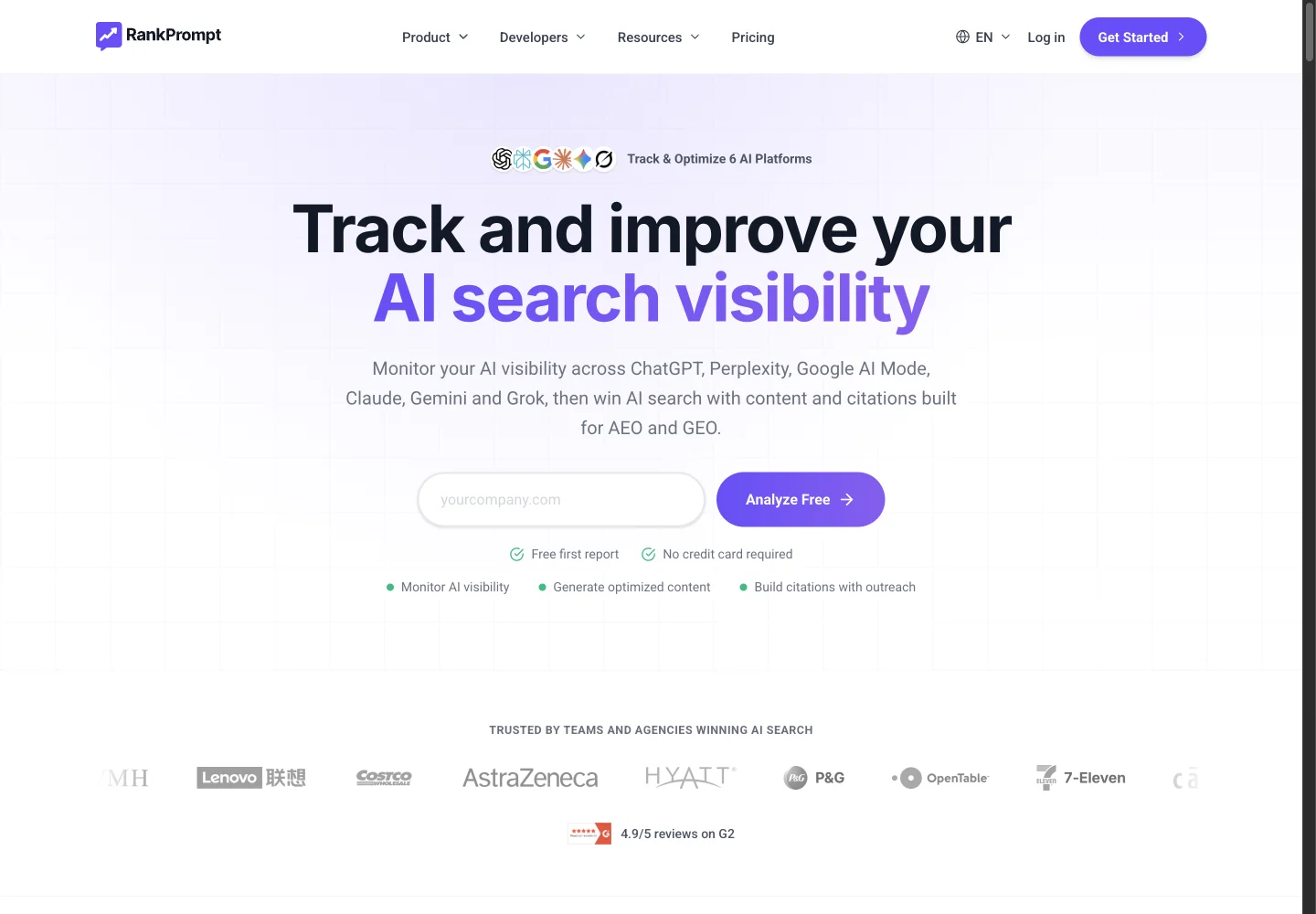
HubSpot’s AI Search Grader asks for a company, location, products or services, and industry to assess how AI search represents the business. The current tool names OpenAI, Perplexity and Gemini. It offers a starting point for a team that needs to identify brand-description or competitive-positioning issues before setting up a recurring program.
Use an initial report to identify questions worth investigating. If the description gets your services wrong, compare it with the wording on your website and other cited sources. If competitors appear, inspect whether they genuinely serve the same buyer.
Try this: turn one finding into a specific fact-check on your service or about page. For recurring measurement, evaluate the ongoing tracking product separately; a grader result by itself does not provide a month of comparable observations.
Yext Scout: location-level visibility and follow-through

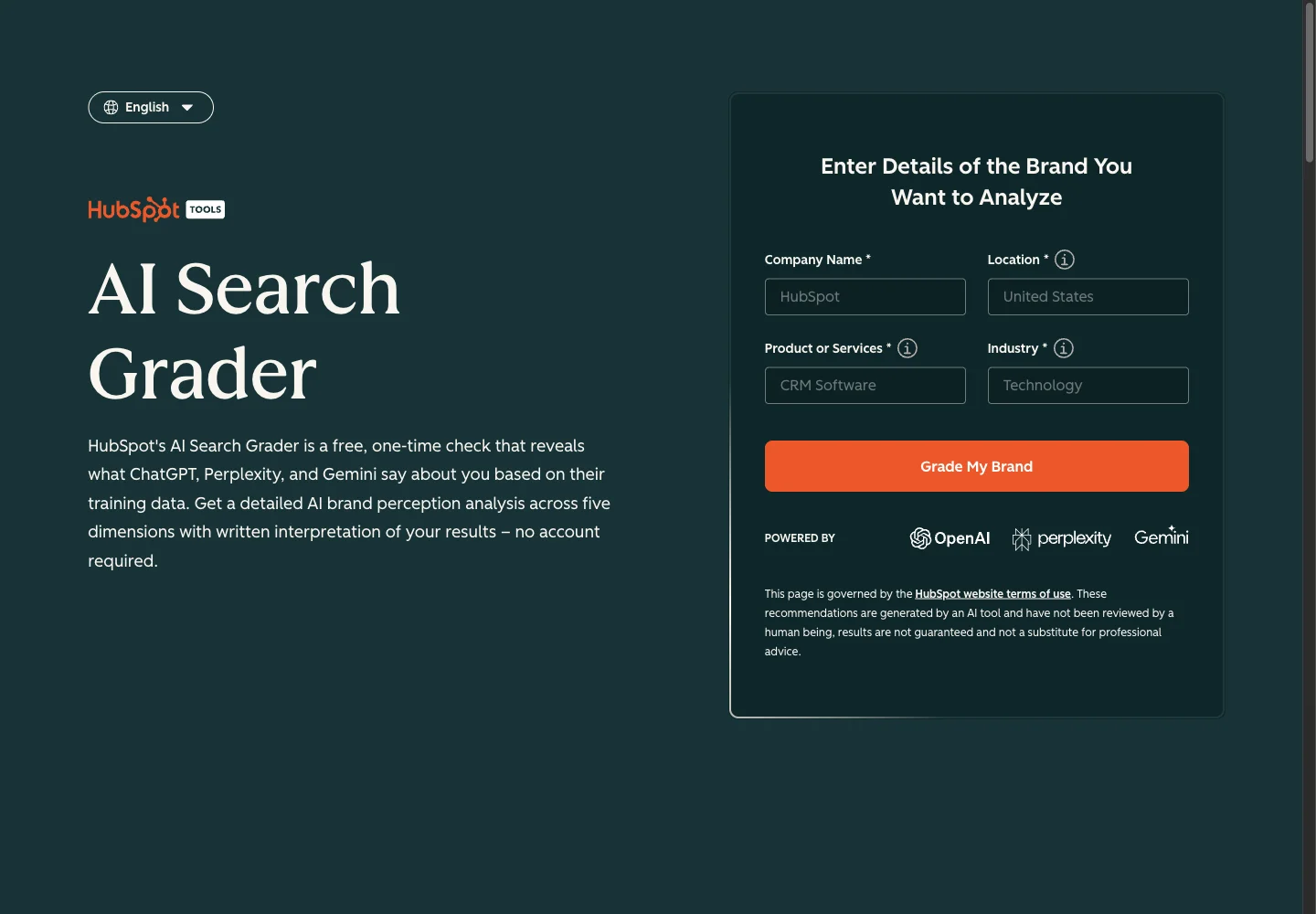
Yext Scout connects local visibility, competitor comparisons, sentiment and citation tracking with actions across the Yext platform. Its current product page covers Google Search, Maps and AI Overviews alongside ChatGPT, Gemini, Claude and Perplexity. This is useful when a brand’s discoverability differs substantially from one location to another.
A franchise marketing team might find that one location has accurate services and hours while another has inconsistent information. Scout’s location-level approach helps organize that kind of investigation, while Yext’s execution tools can address business data and related content.
Try this: inspect one strong location and one weak location using comparable categories and geography. Ask to see the underlying questions and sources. Confirm the permissions for any agent that can change listings or publish a review response. The goal is accurate local information with a clear owner for every change.
seoClarity Clarity ArcAI: an enterprise SEO connection

Clarity ArcAI brings AI visibility, prompt research, sentiment and accuracy analysis, content optimization, bot activity and performance reporting into seoClarity’s enterprise offering. It is relevant when the AI work needs to connect with an established SEO team and a substantial website.
Its broader scope can help a team investigate more than an absent mention. For example, an editor may need content guidance while a technical colleague checks whether important pages are accessible to the relevant bots. Those are different jobs, even when the same platform supports them.
Try this: ask for a demonstration using one of your existing pages and one commercially important topic. Follow the handoff from a reported problem to an actionable task. For a lean team, the deciding question is whether that workflow saves effort given your existing tools and available staff.
Similarweb AI Search Intelligence: sources and competitive context

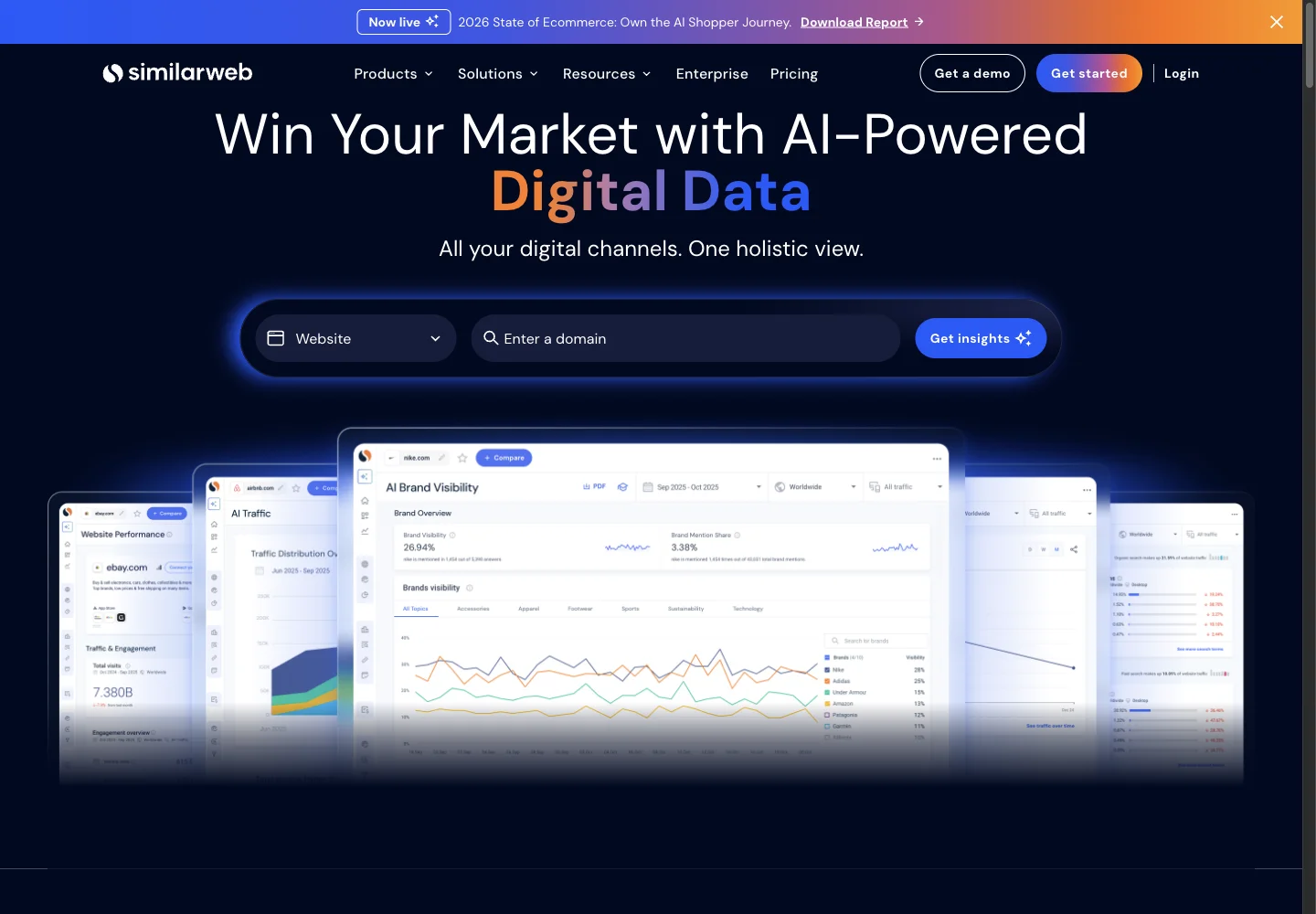
Similarweb AI Search Intelligence offers brand visibility, prompt analysis, citations, sentiment and AI referral-traffic analysis. Its citation view identifies source domains and exact links, while its traffic views help compare websites and landing pages receiving visits from AI platforms.
That combination is useful when you need to understand both the answers mentioning competitors and the pages receiving attention. Similarweb also documents a Recommendations Hub for topic gaps, existing-page edits and new-content briefs.
Try this: pick one topic and follow a cited competitor URL through to a proposed content update. Check whether the data covers your market at a useful level of detail. Keep third-party traffic estimates separate from your own analytics, and do not translate a competitor’s visibility percentage into their sales.
MarketMuse: prioritize the content you should improve

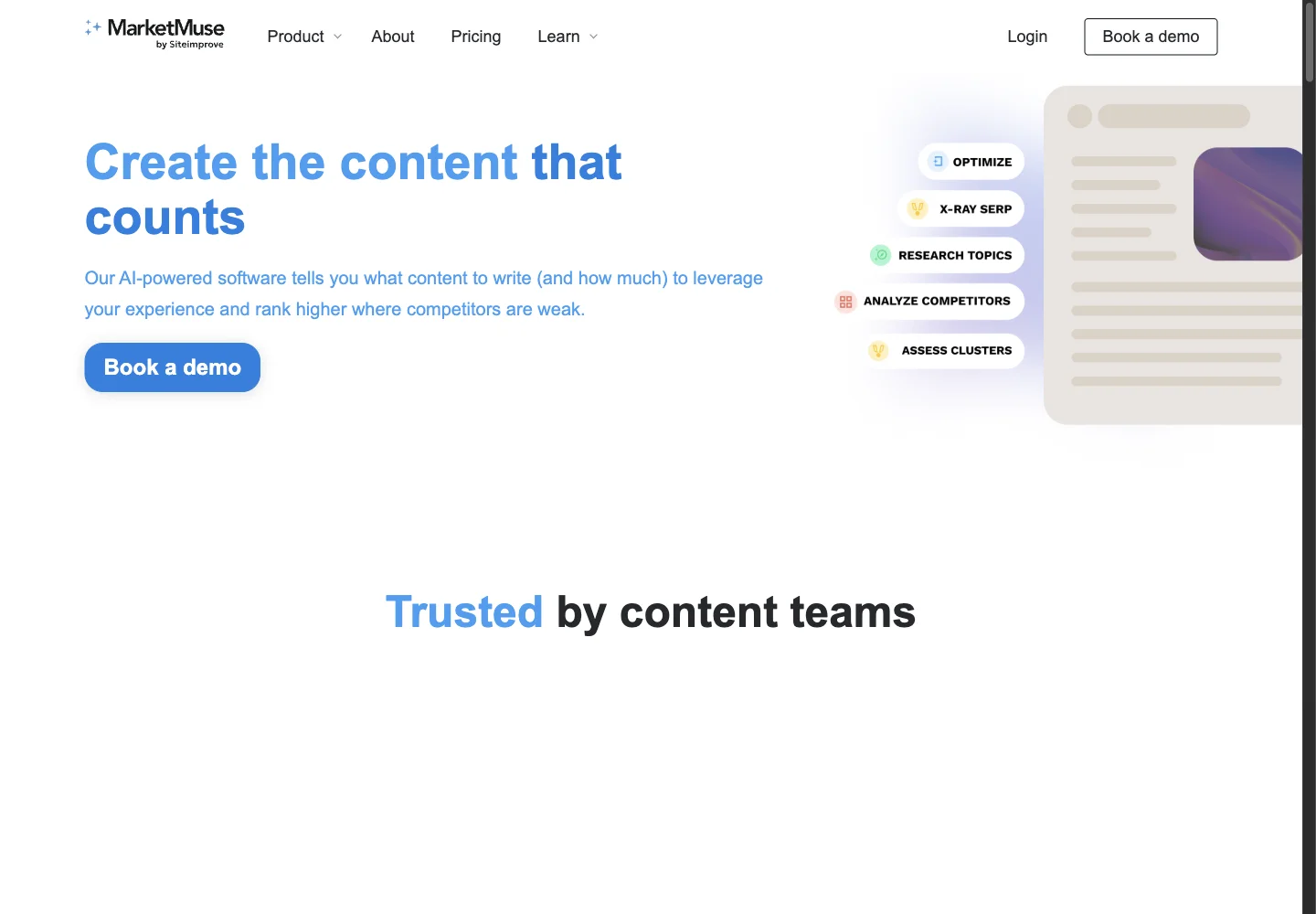
MarketMuse analyzes a site’s content inventory, topic clusters and competitor coverage to inform content plans and briefs. Its practical role here is editorial prioritization: deciding which existing articles need deeper treatment and where a related page would help readers.
For a local service business, that could mean discovering that the blog explains the service broadly but never answers questions about project preparation, maintenance or how to compare proposals. A content plan can connect those questions instead of adding another near-duplicate overview.
Try this: evaluate a small cluster of existing pages before commissioning new articles. Use the recommendations to identify missing explanations, then add facts, examples and expertise from your own team. Topic coverage is an input to better content; it is not evidence that ChatGPT cited the resulting article. Measure citations separately.
Voiceflow: questions from your own customers

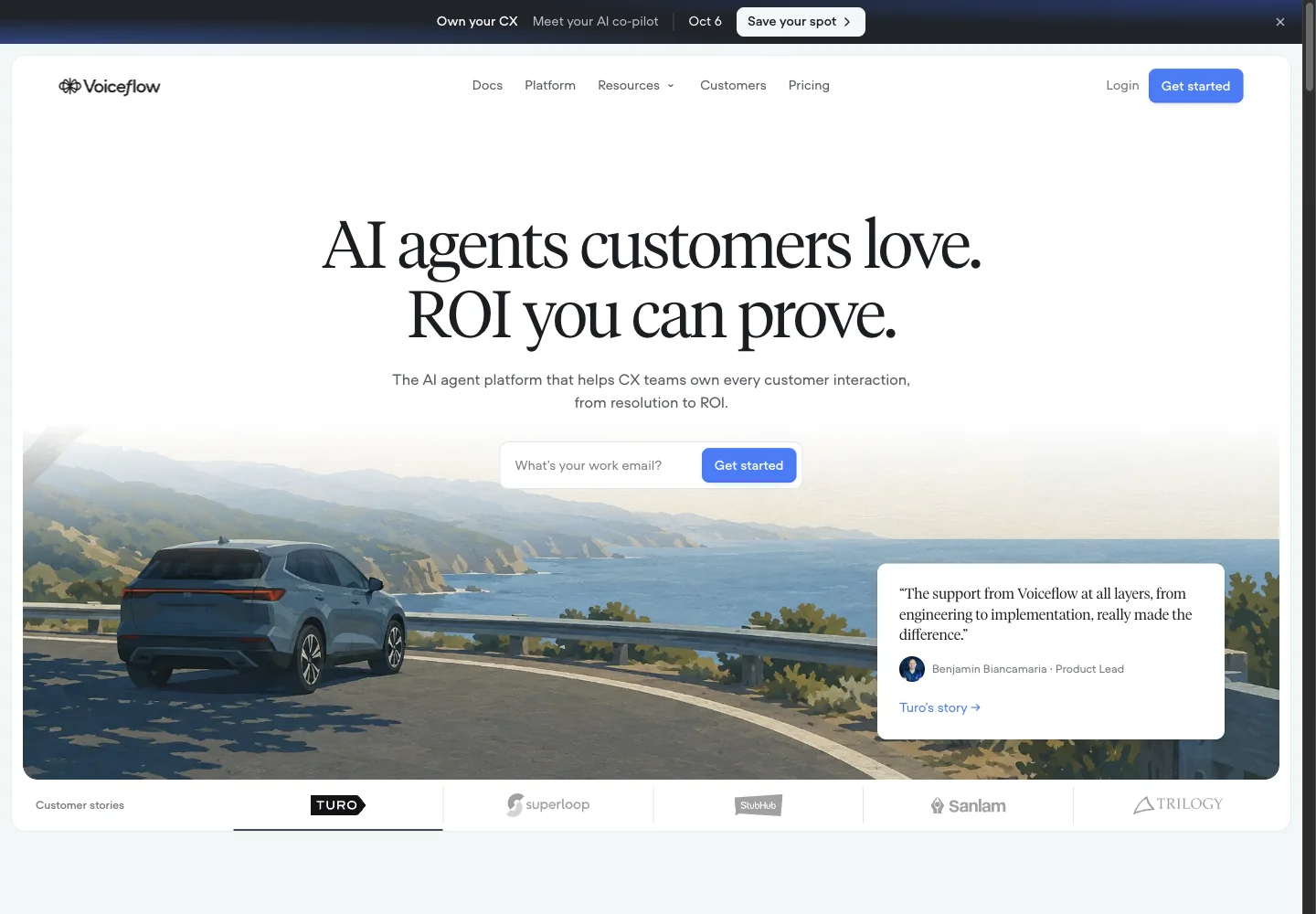
Voiceflow builds and monitors chat and voice agents. Its documentation describes transcripts, call recordings, evaluations and analytics for those agents. This makes it an adjacent research tool for businesses already running a conversational experience, rather than a monitor of public Siri, Alexa or ChatGPT search results.
Your own conversations can reveal questions a generic keyword list misses. If customers repeatedly ask whether a service includes cleanup, delivery or installation, that is a practical candidate for clearer website copy. Review conversations with appropriate privacy controls and use aggregated themes rather than publishing customer details.
Try this: summarize recurring unanswered questions from your existing agent and compare them with the relevant service pages. Do not buy an agent-building platform solely to check whether public AI assistants recommend your company.
Clearscope: prompt tracking meets editorial work

Clearscope now combines prompt tracking with query discovery, writing, content optimization and published-content monitoring. Its current site explicitly describes tracking brand mentions across ChatGPT, Gemini and Claude, so it belongs in both the monitoring and editorial discussion.
For a small content team, the useful question is whether those activities fit into the same working routine. An editor should be able to understand the buyer’s intent, improve an existing page and later review whether visibility or page performance changed.
Try this: use an article with a clear search intent and compare the recommended additions with what a real customer needs. Add explanations that help the reader make a decision. A term suggestion is not a reason to pad the page, and a content grade is not a citation or revenue metric.
Work out the real cost of monitoring
Compare plans using the same scope: brands or locations, prompts, engines, languages, repeat frequency, exports and seats. A plan advertising many prompts may count them differently from a plan advertising credits or monthly responses.
For example, suppose you monitor 20 buyer questions across four engines once a week for four weeks. That produces 320 planned answer observations. If a platform bundles those four engines into one billable prompt, the same schedule uses 80 prompt runs. If it bills each engine separately, the unit count changes. This is a sizing example, not a price quote.
Add any credits used for writing or audits. Ask what happens to failed runs, whether historical responses remain accessible, and whether you can export the exact answer and citation URL. Then compare the full monthly workload with the actual plan terms. Paying for more observations will not help if nobody has time to review and use them.
A 30-day AEO workflow for a lean marketing team
Days 1–7: define the buyer questions and save a baseline
Choose a manageable set of real commercial questions. Pull the language from sales calls, customer questions and relevant Search Console queries. Keep discovery prompts free of your brand name so they test whether an unfamiliar buyer could find you.
Examples for a Dallas service business or small company include:
- “Which Dallas agencies handle both paid ads and landing pages for a small business?”
- “Who designs ecommerce websites for a Dallas retailer that needs ongoing support?”
- “What should a small business compare before hiring a local marketing agency?”
- “Which marketing services should a multi-location restaurant keep in-house?”
These are example research prompts, not claims about their search volume. Use only locations and services your business actually serves. Keep educational questions in a separate group when evaluating whether a blog is cited. Brand-name checks can be useful for accuracy, but report them separately from discovery.
Save each prompt, date, engine, geography and language with the full response, named brands and cited URLs. Mark failed or missing answers separately. A failed request is not a confirmed absence.
Days 8–14: turn one evidence gap into an article brief
Select an existing page that genuinely matches the question. Open the cited sources and identify the information a buyer can use. Do competitors explain scope, show relevant work, discuss ownership or give a concrete comparison that your page omits?
Write a brief with four parts: the question, the relevant evidence, the change, and its owner. For example: “The web-design guide lists agencies but does not explain who owns the site after launch. Add a comparison of domain access, CMS accounts, source files and maintenance responsibilities, with accurate provider-specific claims.”
Keep the task focused. Correct a wrong review attribution, unsupported price or misleading product description before expanding the article. Original examples from your own work are useful when permission and evidence support them. Preserve genuine awards, project outcomes and media with their proper dates and attribution.
Days 15–21: make the update useful and accessible
Answer the central question early, then give enough detail for the reader to act. Link product claims to the relevant official page. Give tables understandable headings, use descriptive image text and show genuine product interfaces when comparing software.
Keep the established URL when the article still answers the same intent. Check the page on a phone, open its important links, and make sure the content is available to search engines. Google’s guidance for AI features says the existing SEO fundamentals still apply; a special AI file or special schema is not required to appear in AI Overviews or AI Mode.
Assign one person to approve facts and one to check the rendered page. If your team needs outside help with that process, our guide to SEO consulting services in Dallas explains what a useful engagement should cover.
Days 22–30: repeat the same checks and decide the next task
Repeat the frozen questions using the same settings and save the new answers. Review brand mentions and exact page citations separately. Note whether the content became more accurate or helpful, even if the visibility metric has not moved yet.
For the website, compare completed periods in Search Console and your analytics. Track relevant impressions, clicks, landing-page visits and qualified inquiries without adding overlapping reports together. Avoid treating a single changed answer as a trend or crediting an article edit for every subsequent lead.
Your month-end decision should be concrete: continue the current tool, change the monitoring scope, or move to the next evidence-backed page update. A useful first month leaves you with a repeatable process, improved content and a clearer view of what remains unknown.
FAQs: AI SEO tools for small teams
Can a free tool be enough to get started?
Yes, for an initial check or a small manual research sample. Save the answers and sources so the observations are reviewable. Recurring monitoring becomes more useful when the number of questions, locations or reporting responsibilities exceeds what your team can consistently handle by hand.
Do I still need traditional SEO?
Yes. Helpful content, crawlable pages, accurate information and a usable website remain foundational. AI visibility tools add observations about answers and citations; they do not guarantee that a page will be retrieved, recommended or visited.
How many prompts should we track?
Start with the number your team can review and act on. Cover distinct buyer needs rather than adding many paraphrases of the same question. Expand when a new product, service area or customer segment justifies it, and keep the original set available for comparable reporting.
Does a higher visibility score mean more leads?
No. It means stronger performance under that tool's definition and sample. Review the underlying responses, page citations and website outcomes separately. A high score for branded questions is especially different from appearing in a buyer's unbranded shortlist.
What should we update first?
Start with a page that serves a real customer question and has a confirmed accuracy or usefulness gap. Fixing a wrong company attribution or an obsolete service description gives readers an immediate benefit. Then work on comparisons, examples and explanations that help them choose confidently.
Turn search evidence into useful content
If your team wants help turning search evidence into a practical content plan, talk with Nativz. Bring the pages you care about, the questions buyers ask and the capacity you have to make improvements.
For an additional perspective on content-focused SEO software, watch “6 Best AI SEO Tools to Boost Rankings” by Rank Math SEO. This third-party video covers a different tool selection.